


There is a particular scene that plays out in bakeries across Chennai every wedding season. A couple sits across from a baker, phone in hand, scrolling through a folder of saved images, unsure of what they actually want beyond a vague feeling. They know they don’t want something ordinary. They are less certain of what “extraordinary” should look like for their own wedding. That uncertainty, more than any specific design, defines wedding cake conversations this year, and it is exactly why professional training through baking classes In Chennai, Velachery has started spending more time teaching adaptability than fixed design formulas.
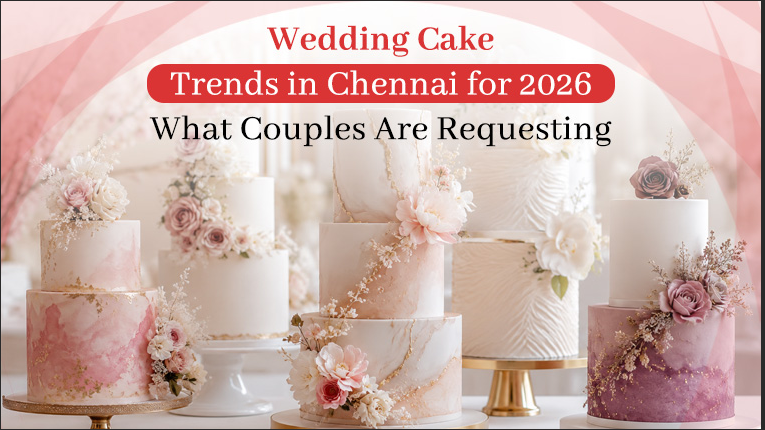
Chennai’s wedding cakes are having a moment heading into 2026, and it’s less about going bigger and more about going better. Those towering, elaborate tiered cakes that used to be the whole point? They’re stepping aside for smaller, more thoughtful designs that actually mean something. Texture is having its say too, buttercream ridges and rustic finishes are winning over that flawless smooth fondant look. Colours are toning down as well, with soft, muted palettes replacing the loud, look-at-me shades of before. And flavour is finally catching up to how these cakes look, no more settling for plain vanilla just because it’s safe.
Of course, none of this is easy on the bakers actually making these cakes. These shifts bring real challenges, and that’s exactly why proper training matters so much right now, when what clients want can change so fast. None of this is couples just chasing a trend either. It’s really about how people think about celebrating in the first place, less about putting on a show, more about making it feel like theirs.
Why Are Couples Moving Away From Bigger Cakes?
For years, size signalled significance. Bigger cakes meant a bigger celebration, a stronger impression. That logic is fading. Couples in 2026 are increasingly requesting smaller cakes, sometimes a single tier, occasionally paired with a separate dessert table instead of one dominant centrepiece. Part of this comes from practicality, smaller weddings, tighter guest lists, less food waste. But part of it is emotional too. A smaller cake feels more intimate, less like a display and more like something made specifically for two people, not an audience.
What Does “Texture Over Smoothness” Actually Mean?
Perfectly smooth fondant finishes once represented the gold standard of wedding cakes. That standard is loosening. Couples are now asking for textured finishes, rustic buttercream swirls, palette knife effects, hand-painted brush strokes, even deliberately imperfect drip designs. This shift reflects a broader preference for cakes that feel handmade rather than manufactured. It also demands a different skill set from bakers, texture work requires a confident hand and an eye for controlled imperfection, harder to master than it looks and rarely taught through casual practice alone.
Why Are Muted Colour Palettes Replacing Bold Statements?
Bright, saturated wedding cakes dominated for years, bold golds, deep reds, elaborate colour contrasts matching traditional wedding décor. That trend is softening into something quieter. Sage greens, dusty pinks, warm ivories, and soft neutrals are becoming common requests, often paired with delicate floral work rather than dramatic colour blocking. This does not mean colour has disappeared, it reflects a shift toward elegance through restraint. Bakers now need a more refined sense of colour theory, since muted palettes leave far less room to hide inconsistency. A slightly uneven tone barely registers under bold gold. Under soft ivory, it becomes the first thing a guest notices.
Has Flavour Finally Caught Up With Design?
For a long time, flavour took a back seat to appearance in wedding cake conversations. That imbalance is correcting itself. Couples are asking harder questions about what is actually inside the cake, requesting regional flavours like filter coffee and cardamom alongside global options like pistachio rose or salted caramel. There’s a growing understanding that a cake which photographs beautifully but tastes forgettable ends up disappointing people long after the wedding is over. That awareness is pushing bakers to take flavour development just as seriously as decoration, something that wasn’t always the case.
Are These Trends Making Things Harder for Bakers?
Honestly, yes. Trends like these demand more technical range, not less. Textured buttercream work requires different piping control than smooth fondant coverage. Muted palettes require more precise colour mixing, since subtle tones show flaws more visibly than bold ones. Regional flavour experimentation requires understanding how traditional Indian spices behave in Western baking techniques, which is not always intuitive, cardamom, for instance, can easily overpower a delicate sponge if measured the way it would be for a traditional sweet. Meeting these demands consistently is not something most self-taught bakers pick up quickly, which is where structured, hands-on learning becomes genuinely valuable. At Zeroin Academy, this kind of practical exposure, working with textures, seasonal palettes, and flavour pairing beyond standard recipes, is built into training precisely because client expectations rarely stay static for long.
What Should Couples Actually Prioritise When Choosing a Cake?
Beyond trends, the most important consideration remains surprisingly simple, choosing a cake that reflects the couple rather than the moment’s aesthetic. Trends shift every year. A cake chosen purely because it is fashionable often feels dated in photographs within a few years. Couples who prioritize flavor, honesty, thoughtful design that reflects their personality and open conversation with their baker about what is realistic tend to walk away more satisfied than those chasing whatever is currently popular on social media.
Will These Trends Last Beyond 2026?
Some will. The shift toward flavour seriousness feels permanent, not seasonal. Muted palettes and textured finishes may soften further or swing back toward boldness eventually, trends rarely move in one direction forever. What tends to last is the underlying principle behind this year’s shift, cakes that feel personal outperform cakes that simply look impressive. That preference is unlikely to fade regardless of which colours or textures come next.
That couple sitting across from their baker, scrolling through saved images, unsure exactly what they want, are usually looking for something simpler than they realise, a cake that feels like theirs, not a trend borrowed from someone else’s wedding. For those in Chennai hoping to build the skills behind that kind of thoughtful, adaptable baking, exploring baking classes in Anna Nagar offers a grounded starting point. Trends will keep shifting every season. The ability to genuinely listen to what a couple wants and translate that into something honest on a plate, rarely goes out of style.