


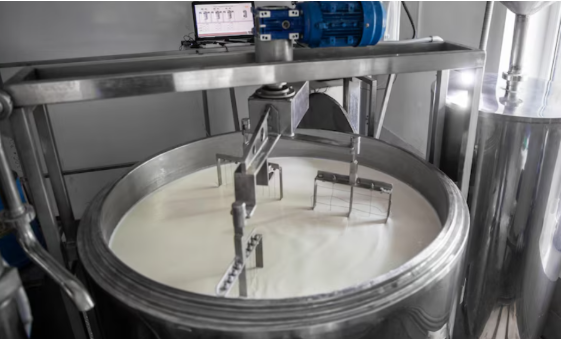
Dairy products are an important part of many people’s daily diets because they provide essential nutrients such as calcium, protein, and vitamins. However, maintaining the quality and safety of milk and other dairy items requires careful handling, advanced processing methods, and strict quality control. A professional dairy processor plays an important role in transforming fresh milk into safe, high-quality products that consumers can trust. From collection and testing to packaging and storage, every step is managed carefully to preserve freshness and maintain food safety standards.
Importance of Quality Control in Dairy Processing
A reliable dairy processor focuses on quality control throughout the entire production process. Fresh milk is carefully collected from approved sources and tested to ensure it meets safety and quality requirements. These tests help identify any unwanted substances, bacteria, or quality issues before processing begins.
By following strict hygiene practices and monitoring every stage of production, dairy processors help reduce the risk of contamination. Clean equipment, sanitized facilities, and trained workers are essential for maintaining a safe environment where dairy products can be produced efficiently.
Advanced Processing Methods for Better Safety
Modern processing techniques help dairy products stay fresh for longer periods while maintaining their nutritional value. A dairy processor uses methods such as pasteurization, which involves heating milk to remove harmful bacteria without affecting its taste or quality.
Other processes, including filtration and temperature control, help improve product consistency and safety. These advanced methods allow products such as milk, cheese, yogurt, and cream to maintain their freshness from production facilities to store shelves.
Maintaining Freshness Through Proper Storage
Proper storage plays a major role in protecting dairy product quality. A professional dairy processor carefully manages temperature conditions during processing, packaging, and transportation. Keeping products at the correct temperature helps slow bacterial growth and preserves freshness.
Cold storage systems and efficient distribution methods ensure that dairy items reach consumers in excellent condition. Careful handling during transportation also prevents damage and helps maintain the original quality of the products.
Safe Packaging Practices for Dairy Products
Packaging is another important step in ensuring dairy safety. A dairy processor uses secure and hygienic packaging solutions to protect products from outside contaminants. Quality packaging also helps extend shelf life and provides consumers with important information, including expiration dates and storage instructions.
Modern packaging techniques help preserve flavor, texture, and freshness while making products easier and safer for customers to use. Proper labeling also improves transparency and allows consumers to make informed choices.
Commitment to Industry Standards and Consumer Safety
A professional dairy processor follows strict food safety regulations and industry standards to deliver reliable products. Regular inspections, employee training, and continuous improvements help maintain high levels of quality throughout the production process.
By investing in technology and following responsible practices, dairy processors support public health and build consumer confidence. Their efforts ensure that dairy products meet safety expectations while maintaining the taste and freshness people enjoy.
Conclusion
A professional dairy processor plays a vital role in providing safe and fresh dairy products to consumers. Through careful testing, advanced processing methods, proper storage, and secure packaging, these professionals maintain quality at every stage of production. Their dedication to safety and efficiency helps ensure that dairy products remain nutritious, fresh, and dependable for everyday use.