


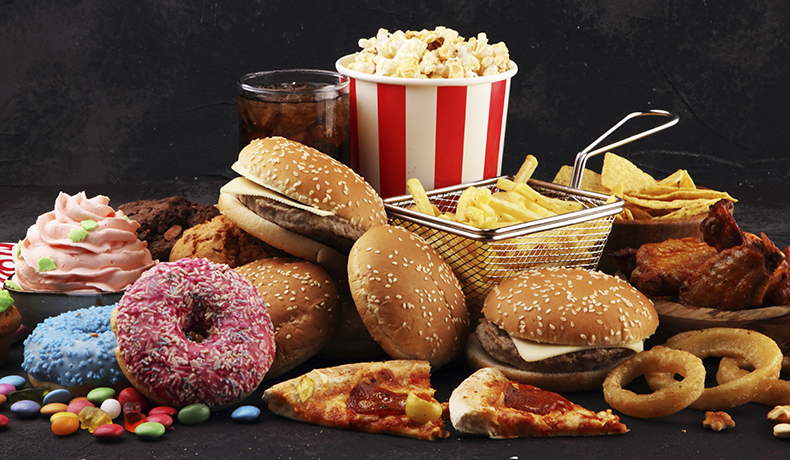
Every day, people encounter terms like food poisoning, junk food, and food web in conversations about health, diet, and the environment. These concepts connect through daily eating habits and the broader natural world. Food poisoning strikes suddenly from contaminated meals, junk food tempts with quick taste but harms long-term wellness, and food webs reveal how energy flows in ecosystems. In 2026, with busy lifestyles and processed options everywhere, knowing these topics helps make smarter decisions.
What Is Food Poisoning and How Does It Happen?
Food poisoning, also called foodborne illness, occurs when someone eats or drinks something contaminated with harmful bacteria, viruses, parasites, or toxins. Common culprits include Salmonella, E. coli, Campylobacter, norovirus, and Staphylococcus aureus. Symptoms often appear within hours to days and include nausea, vomiting, diarrhea, stomach cramps, fever, and headache. Most cases last one to two days, but severe ones lead to dehydration or worse, especially in children, older adults, pregnant people, or those with weak immune systems.
Contamination happens at various stages: during farming (from animal waste or polluted water), processing, storage, or preparation. For instance, undercooked poultry or eggs, unwashed vegetables, raw seafood, and unpasteurized dairy carry high risks. Cross-contamination—using the same cutting board for raw meat and ready-to-eat foods without washing—spreads germs easily. Poor refrigeration lets bacteria multiply quickly in the “danger zone” between 4°C and 60°C.
Prevention focuses on safe practices: cook meat thoroughly (poultry to 75°C, ground beef to 71°C), wash hands and surfaces, separate raw and cooked items, and store food properly. Most recover at home by resting and drinking fluids like oral rehydration solutions to replace lost electrolytes. Severe cases may need medical help for IV fluids or antibiotics.
Here are visuals showing common symptoms of food poisoning:
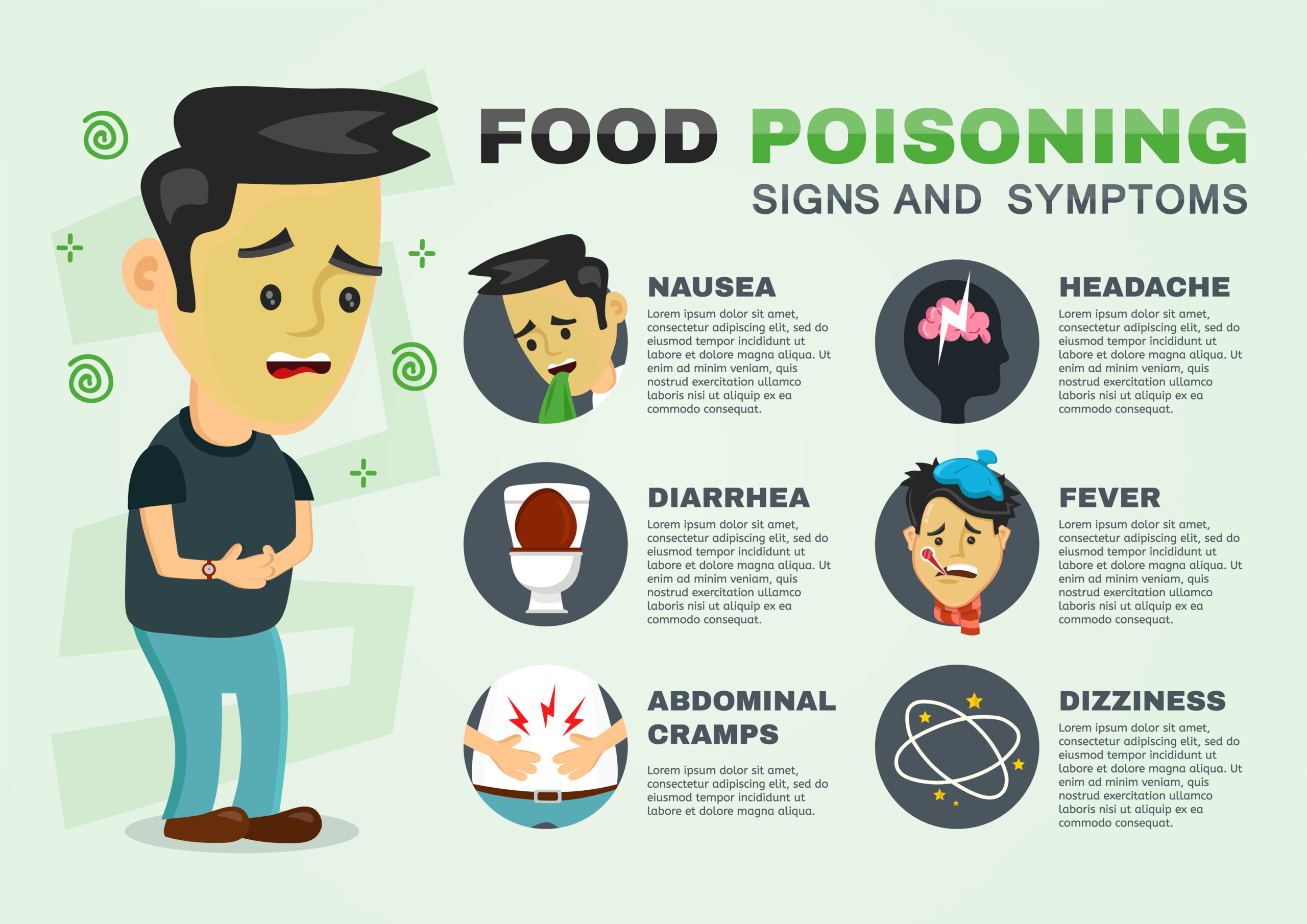
These images highlight discomfort from nausea, vomiting, and cramps that many experience.
Junk Food: Quick Taste with Hidden Health Costs
Junk food refers to highly processed items high in sugar, salt, unhealthy fats, and calories but low in nutrients like fiber, vitamins, and minerals. Think burgers, fries, pizza, chips, sugary drinks, donuts, and candy. These foods taste great because manufacturers engineer them for maximum appeal—sweet, salty, and fatty combinations trigger pleasure centers in the brain.
Short-term effects include energy spikes followed by crashes, bloating, and fatigue from blood sugar fluctuations. Long-term, regular intake raises risks of obesity, type 2 diabetes, heart disease, high blood pressure, high cholesterol, and even mental health issues like depression. Excess salt strains kidneys, trans fats harm arteries, and added sugars contribute to insulin resistance. Junk food often displaces healthier options, leading to nutrient gaps that affect immunity, digestion, skin, and teeth (more cavities from sugar feeding mouth bacteria).
In India and worldwide, junk food consumption has surged among youth due to easy access and marketing. Studies link frequent intake to weight gain, fatty liver, and chronic inflammation. Moderation matters—occasional treats are fine, but daily reliance harms overall health.
Compare these examples of junk food spreads:
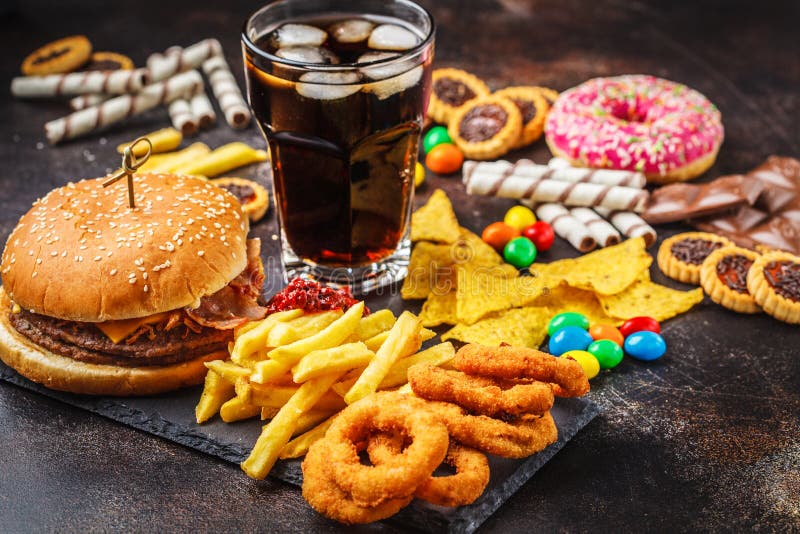

These show typical high-calorie, processed items that tempt but offer little nutrition.
Here’s a side-by-side of healthy balanced meals versus junk food:
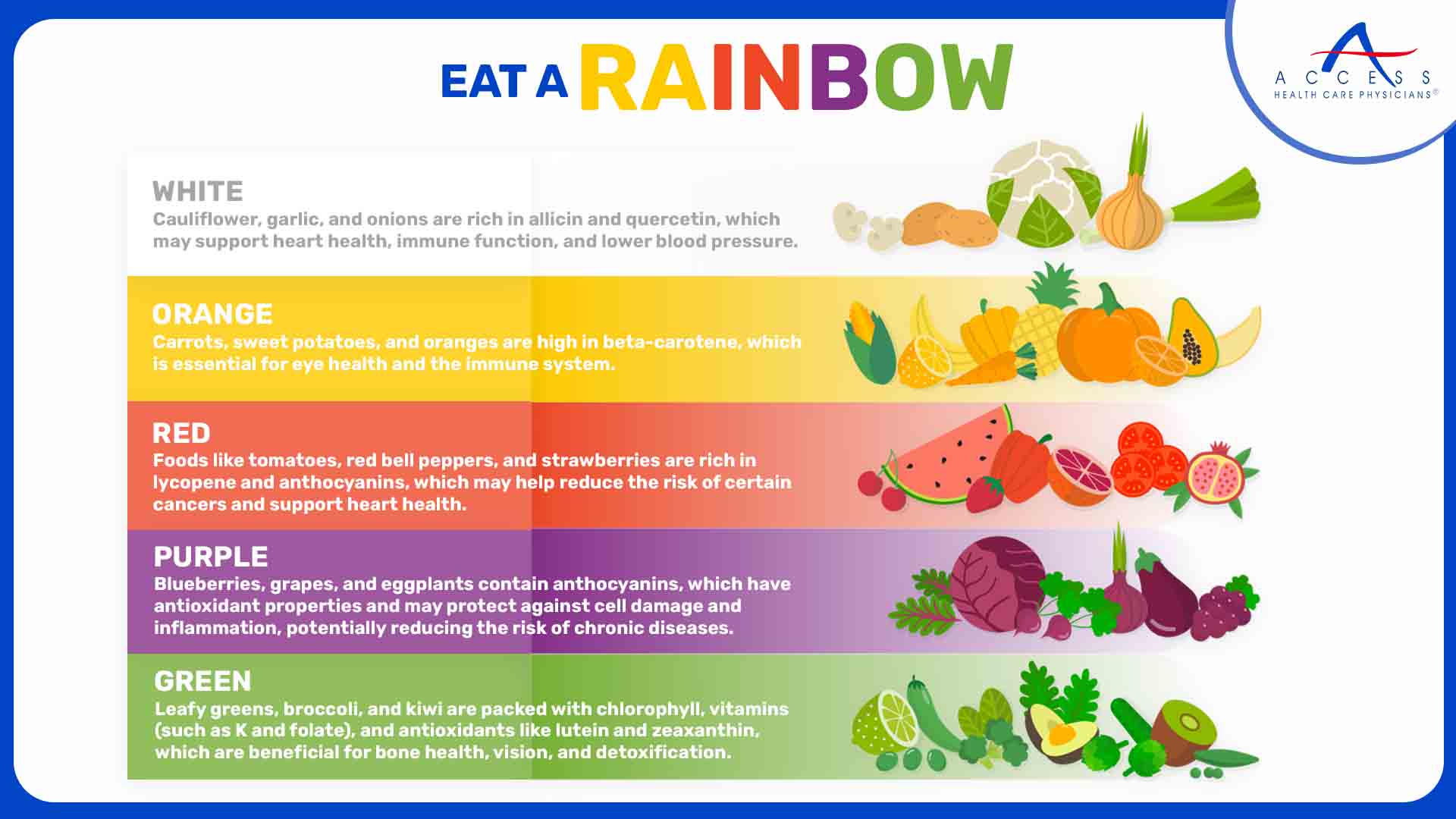
This contrast reminds us why whole foods support better energy and longevity.
Food Web: Nature’s Interconnected Eating Network
In ecology, a food web describes the complex network of feeding relationships in an ecosystem, far more realistic than a simple food chain. It shows how energy and nutrients transfer from producers (plants and algae using sunlight via photosynthesis) to primary consumers (herbivores), secondary and tertiary consumers (carnivores and omnivores), and finally decomposers (bacteria and fungi breaking down dead matter).
Unlike a straight chain (grass → rabbit → fox), a web includes overlaps—rabbits eat multiple plants, foxes eat rabbits and birds, and many animals have varied diets. This interconnectedness provides stability; if one species declines, others adapt. Energy flows in one direction (lost as heat at each level), forming a pyramid where producers form the broad base and top predators sit at the narrow apex.
Examples include desert webs (plants → insects → scorpions → kit foxes) or marine systems (phytoplankton → zooplankton → fish → sharks). Disruptions, like pollution or overfishing, ripple through the web, affecting entire communities.
Here are clear diagrams illustrating food webs:

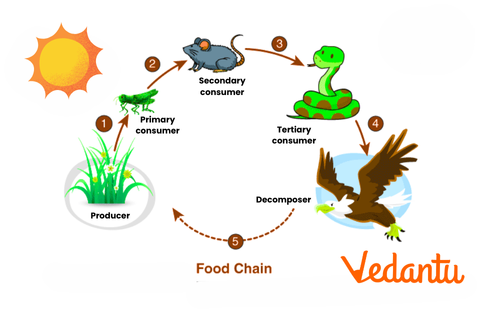
These visuals show producers at the bottom, consumers in the middle, and decomposers recycling nutrients.
Connections Between These Topics
Food poisoning often links to poor handling of everyday foods, including some junk items prepared in unhygienic conditions (like street food or fast chains). Junk food contributes indirectly by weakening immunity through nutrient deficiencies, making recovery harder. In ecosystems, toxins or contaminants (pesticides, heavy metals) bioaccumulate in food webs, concentrating in higher levels and potentially causing poisoning in wildlife or humans eating contaminated fish or meat.
Choosing whole foods over junk reduces personal risks and supports sustainable practices that protect natural food webs. Simple steps like cooking properly, reading labels, and eating balanced meals prevent illness and promote health.