



Introduction
Maintaining the correct fridge temperature is essential for preserving food quality, preventing bacterial growth, and ensuring your household’s health. Many people use refrigerators daily but rarely check or adjust the internal temperature, which can lead to spoiled food, energy waste, or even foodborne illness.
A refrigerator is designed to slow down bacterial growth and keep food fresh for longer periods. However, if the cooling level is too high or too low, it can negatively impact both food safety and appliance efficiency. Understanding the ideal cooling range and proper storage practices helps maximize freshness and extend shelf life.
This comprehensive guide explains the recommended fridge temperature, why it matters, how to measure it, and practical tips to maintain optimal cooling performance.
What Is the Ideal Fridge Temperature?


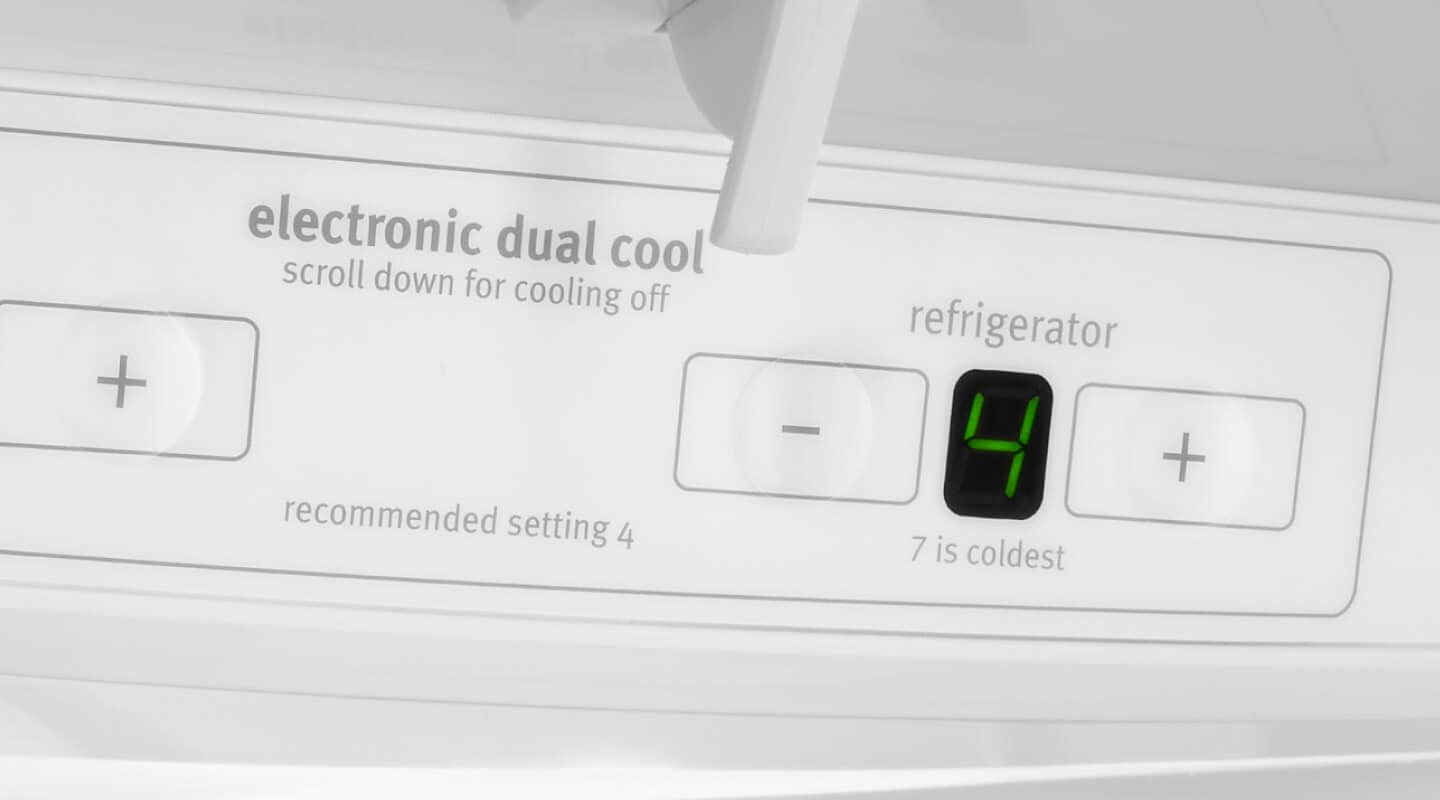
Recommended Temperature Settings
| Storage Area | Ideal Temperature (Celsius) | Ideal Temperature (Fahrenheit) |
|---|---|---|
| Main refrigerator compartment | 1°C – 4°C | 34°F – 40°F |
| Freezer compartment | -18°C | 0°F |
| Vegetable drawer | 3°C – 5°C | 37°F – 41°F |
| Door shelves | Slightly warmer | Slightly warmer |
Keeping your fridge temperature within this range prevents harmful bacteria such as salmonella and E. coli from multiplying rapidly.
Why Maintaining the Correct Fridge Temperature Matters
Maintaining the right fridge temperature plays a major role in food safety and energy efficiency. Below are the main reasons why proper cooling matters.
1. Prevents Bacterial Growth
Cold temperatures slow down microbial activity. When food is stored at the correct cooling level, bacteria grow much more slowly.
2. Preserves Food Freshness
Fruits, vegetables, dairy, and cooked meals stay fresh longer when stored at optimal conditions.
3. Reduces Food Waste
Incorrect cooling causes premature spoilage, leading to unnecessary waste and higher grocery costs.
4. Improves Appliance Efficiency
A properly adjusted fridge temperature helps the appliance run efficiently, saving electricity and reducing wear.
How to Check Your Fridge Temperature
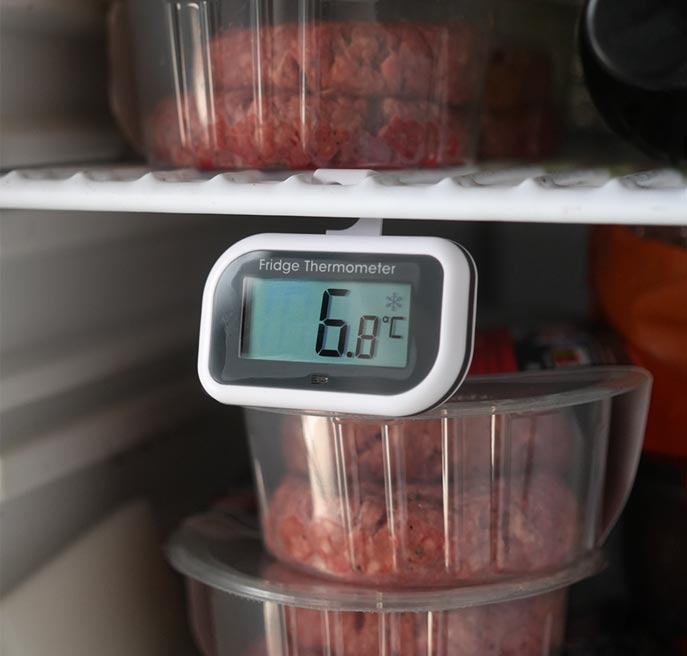

Step 1: Use a Refrigerator Thermometer
Place a thermometer in the middle shelf for accurate readings.
Step 2: Wait 24 Hours
Allow the temperature to stabilize before checking.
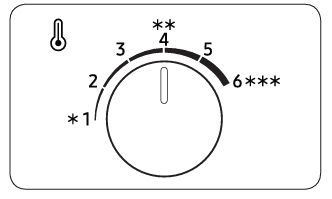
Step 3: Adjust Settings
If the reading is outside the safe range, adjust the controls gradually.
Step 4: Recheck
Monitor the fridge temperature regularly to maintain consistency.
Factors That Affect Fridge Temperature
Several factors influence cooling performance and internal conditions.
Door Opening Frequency
Frequent door opening allows warm air inside, affecting stability.
Food Quantity
An empty fridge warms faster, while an overcrowded one blocks airflow.
Room Temperature
External heat impacts cooling efficiency, especially in hot climates.
Placement of Food
Improper storage can lead to uneven cooling distribution.
Understanding these factors helps maintain a stable fridge temperature throughout the day.
Best Storage Zones Inside a Refrigerator


Top Shelves
Best for ready-to-eat foods and leftovers.
Middle Shelves
Ideal for dairy products like milk and cheese.
Bottom Shelves
Coldest area, suitable for raw meat and fish.
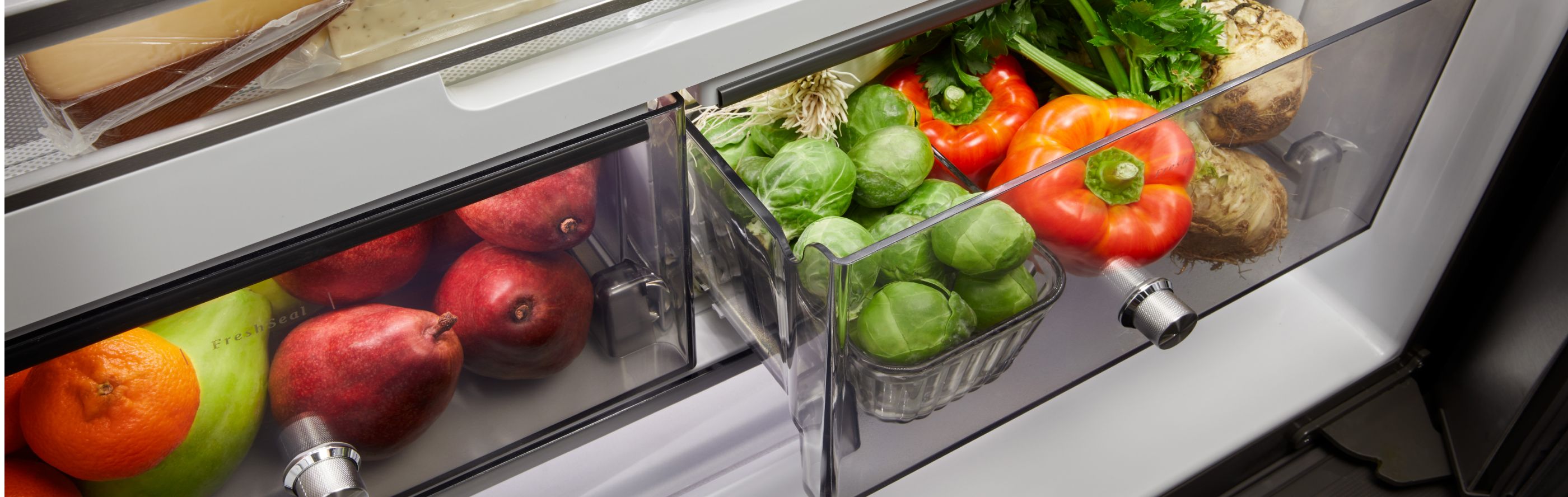
Crisper Drawers
Designed for fruits and vegetables with controlled humidity.
Door Compartments
Warmest section; store condiments and beverages.
Organizing food properly ensures a balanced fridge temperature distribution.
Common Fridge Temperature Mistakes
Many households unknowingly make errors that affect cooling performance.
Setting Temperature Too Low
Extremely cold settings freeze fresh produce and increase energy use.
Ignoring Temperature Checks
Failing to monitor internal conditions risks unsafe storage.
Overloading the Refrigerator
Blocking vents disrupts airflow and causes uneven cooling.
Placing Hot Food Inside
Warm items raise the overall fridge temperature temporarily.
Avoiding these mistakes improves food safety and appliance performance.
Signs Your Fridge Temperature Is Incorrect
Watch for these warning signs:
-
Food spoils quickly
-
Ice crystals form on fresh foods
-
Milk turns sour faster than expected
-
Condensation builds inside
-
Unpleasant odors develop
If these issues appear, checking the fridge temperature should be your first step.
Energy Efficiency and Fridge Temperature
Setting the correct cooling level also impacts energy consumption.
Lower Temperature = Higher Energy Use
Extremely cold settings increase power consumption unnecessarily.
Proper Maintenance Saves Electricity
Clean condenser coils and good airflow improve efficiency.
Balanced Cooling Reduces Costs
Maintaining optimal conditions ensures the refrigerator operates economically.
Maintaining the right fridge temperature benefits both the environment and your budget.
How to Maintain Ideal Fridge Temperature
Keep the Door Closed
Reduce unnecessary opening to prevent heat entry.
Allow Air Circulation
Avoid overcrowding shelves.
Clean the Appliance Regularly
Remove expired food and clean vents.
Check Door Seals
Damaged seals allow cold air to escape.
Monitor Temperature Weekly
Regular monitoring ensures stable performance.
These practices help maintain consistent cooling levels.
Food Safety Guidelines Related to Fridge Temperature
Food safety experts recommend the following:
-
Store leftovers within two hours of cooking.
-
Cover food to prevent contamination.
-
Keep raw meat separate from ready-to-eat items.
-
Never rely solely on smell or appearance.
Following these practices alongside proper fridge temperature management ensures maximum safety.
Benefits of Maintaining Correct Fridge Temperature
| Benefit | Description |
|---|---|
| Better food quality | Maintains taste and texture |
| Improved safety | Prevents bacterial growth |
| Reduced waste | Extends shelf life |
| Energy savings | Improves efficiency |
| Longer appliance life | Reduces strain on components |
Quick Answer
What is the best fridge temperature?
The ideal fridge temperature is between 1°C and 4°C (34°F to 40°F) for safe food storage.
How often should fridge temperature be checked?
Check the cooling level at least once per week using a thermometer.
Why is fridge temperature important?
It prevents food spoilage, reduces bacterial growth, and improves appliance efficiency.
Can fridge temperature affect energy bills?
Yes, extremely low settings increase electricity consumption.
Advanced Tips for Modern Refrigerators
Modern appliances offer advanced cooling features:
Smart Temperature Control
Digital systems maintain consistent cooling automatically.
Multi-Airflow Technology
Ensures even distribution throughout compartments.
Humidity Control Drawers
Preserve produce freshness.
These innovations help maintain stable fridge temperature levels more effectively.
Conclusion
Maintaining the correct fridge temperature is essential for food safety, freshness, and energy efficiency. The recommended range of 1°C to 4°C ensures optimal preservation while preventing harmful bacteria from growing. Regular monitoring, proper organization, and good maintenance habits help keep your refrigerator performing at its best.
By understanding how cooling works and following recommended storage practices, households can reduce food waste, save money, and protect their health. Consistent attention to temperature settings ensures your refrigerator remains a reliable and efficient part of your kitchen for years to come.
Read More:- Mini Fridge: The Complete Guide to Compact Cooling Solutions