


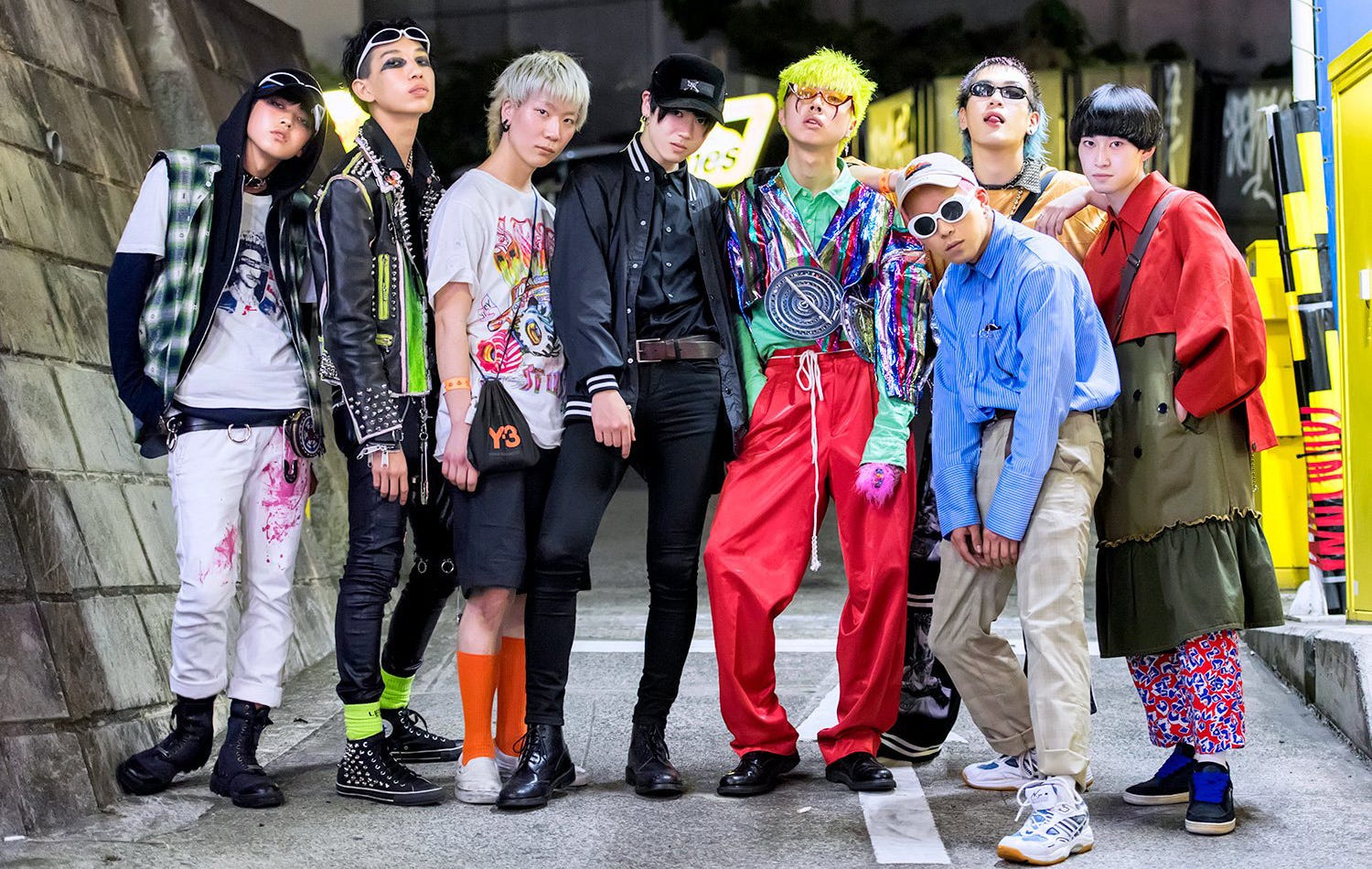
Introduction to Japan’s Urban Fashion Scene
Japan street fashion is one of the most creative and influential style movements in the world. Known for its bold experimentation, layered aesthetics, and fearless individuality, Japan street fashion reflects the dynamic spirit of youth culture in cities like Tokyo and Osaka. Unlike traditional fashion systems that follow seasonal runway trends, street fashion in Japan evolves organically from everyday people expressing themselves through clothing.
The rise of Japan street fashion is closely connected to youth rebellion, pop culture, music, and art. Teenagers and young adults began transforming ordinary streets into fashion runways, showcasing unique outfits that challenge conventional beauty standards. Over time, this fashion culture gained international attention, inspiring designers and stylists globally. Today, Japan street fashion continues to evolve, blending traditional influences with futuristic innovation.
Origins and Historical Development

The roots of Japan street fashion can be traced back to the post-war economic boom, when Western influences started merging with Japanese culture. During the 1970s and 1980s, young people began experimenting with imported fashion ideas and adapting them to local tastes. The streets of Harajuku became a focal point for creative expression.
In the 1990s, Japan street fashion exploded in popularity as magazines documented the vibrant styles worn by teenagers. Fashion became more than clothing; it became identity. Subcultures emerged, each with distinct visual themes. This period marked a turning point, as Japan street fashion established itself as a powerful symbol of youth creativity and individuality.
Harajuku: The Heart of Style Innovation

Harajuku is often described as the epicenter of Japan street fashion. The district is famous for its colorful outfits, avant-garde designs, and imaginative combinations. Walking through Harajuku feels like stepping into a living art exhibition.
Young people gather in this area to showcase their outfits, experiment with trends, and connect with like-minded individuals. Japan street fashion in Harajuku is characterized by layering, bold prints, oversized silhouettes, and playful accessories. The freedom of expression found here has made Harajuku internationally recognized as a fashion hub. Designers from around the world visit this district to observe how Japan street fashion constantly reinvents itself.
Photo: Harajuku Street Style
(Image showing colorful outfits, layered clothing, and bold hairstyles in a busy Tokyo street.)
Popular Subcultures in Japan Street Fashion
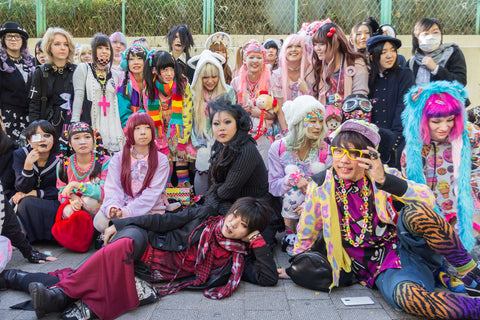
Japan street fashion includes several distinctive subcultures, each with its own aesthetic rules and inspirations. Some of the most well-known styles include:
-
Lolita Fashion: Inspired by Victorian and Rococo clothing with lace, ribbons, and elegant dresses.
-
Gyaru Style: Glamorous fashion featuring dramatic makeup, dyed hair, and trendy outfits.
-
Visual Kei: Influenced by music bands, characterized by dramatic costumes and bold hairstyles.
-
Decora Fashion: Known for colorful accessories layered excessively for a playful look.
These subcultures show how Japan street fashion celebrates diversity and imagination. Each group reflects a unique philosophy and lifestyle choice, demonstrating how clothing becomes a powerful form of storytelling.
Creative Elements and Design Features

One defining feature of Japan street fashion is its experimental use of color, texture, and layering. Unlike minimalist fashion trends seen elsewhere, Japanese street styles often embrace maximalism. Outfits may combine vintage garments, handmade pieces, and high-end designer items in unexpected ways.
Accessories play an important role, from oversized bows to chunky boots and statement jewelry. Makeup and hairstyles are equally expressive, completing the overall aesthetic. Japan street fashion encourages individuals to break rules and redefine style norms. This creative freedom has made it a symbol of self-expression and artistic exploration.
Photo: Decora Style Example
(Image showing a person wearing colorful layered accessories and bright clothing.)
Global Influence and Cultural Impact

Japan street fashion has influenced international designers, pop culture icons, and fashion brands worldwide. Many global fashion houses have drawn inspiration from Tokyo’s bold street aesthetics. Runway collections sometimes reflect layering techniques and vibrant patterns originally popularized in Japan.
The global spread of Japan street fashion is also fueled by social media, photography blogs, and fashion documentaries. Young people from different countries adopt elements of Japanese street style, adapting them to their local cultures. This cross-cultural exchange highlights how Japan street fashion serves as a bridge between tradition and modern creativity.
Seasonal Trends and Adaptations

Despite its experimental nature, Japan street fashion adapts creatively to seasonal changes. During winter, individuals layer coats, scarves, and boots in imaginative ways. In summer, lighter fabrics and vibrant prints dominate.
The ability to mix practicality with artistic flair is one reason Japan street fashion remains relevant. Designers and enthusiasts continuously reinvent classic garments, ensuring that each season introduces fresh interpretations. This adaptability allows the fashion movement to remain dynamic while preserving its core values of individuality and creativity.
Role of Independent Designers and Boutiques

Independent designers play a crucial role in shaping Japan street fashion. Small boutiques often showcase unique pieces unavailable in mainstream stores. These designers experiment with unconventional cuts and materials, pushing fashion boundaries.
Shopping districts in Tokyo feature shops dedicated to niche subcultures. This support for local talent strengthens the foundation of Japan street fashion. By encouraging independent creativity, the fashion community sustains innovation and diversity within the industry.
Key Characteristics of Japan Street Fashion
| Feature | Description |
|---|---|
| Bold Colors | Vibrant and eye-catching combinations |
| Layered Styling | Multiple garments worn creatively |
| Unique Accessories | Decorative bows, chains, and hats |
| Cultural Fusion | Mix of Western and Japanese influences |
| Individual Expression | Personal identity reflected in clothing |
This table summarizes the essential elements that define Japan street fashion.
Youth Identity and Social Expression

Japan street fashion is deeply connected to youth identity. Teenagers and young adults use clothing to express emotions, beliefs, and individuality. In a society often associated with conformity, street fashion offers a space for personal freedom.
By experimenting with bold styles, individuals challenge social expectations and redefine beauty standards. Japan street fashion becomes more than an aesthetic—it becomes a social movement. It empowers youth to celebrate uniqueness and creativity without fear of judgment.
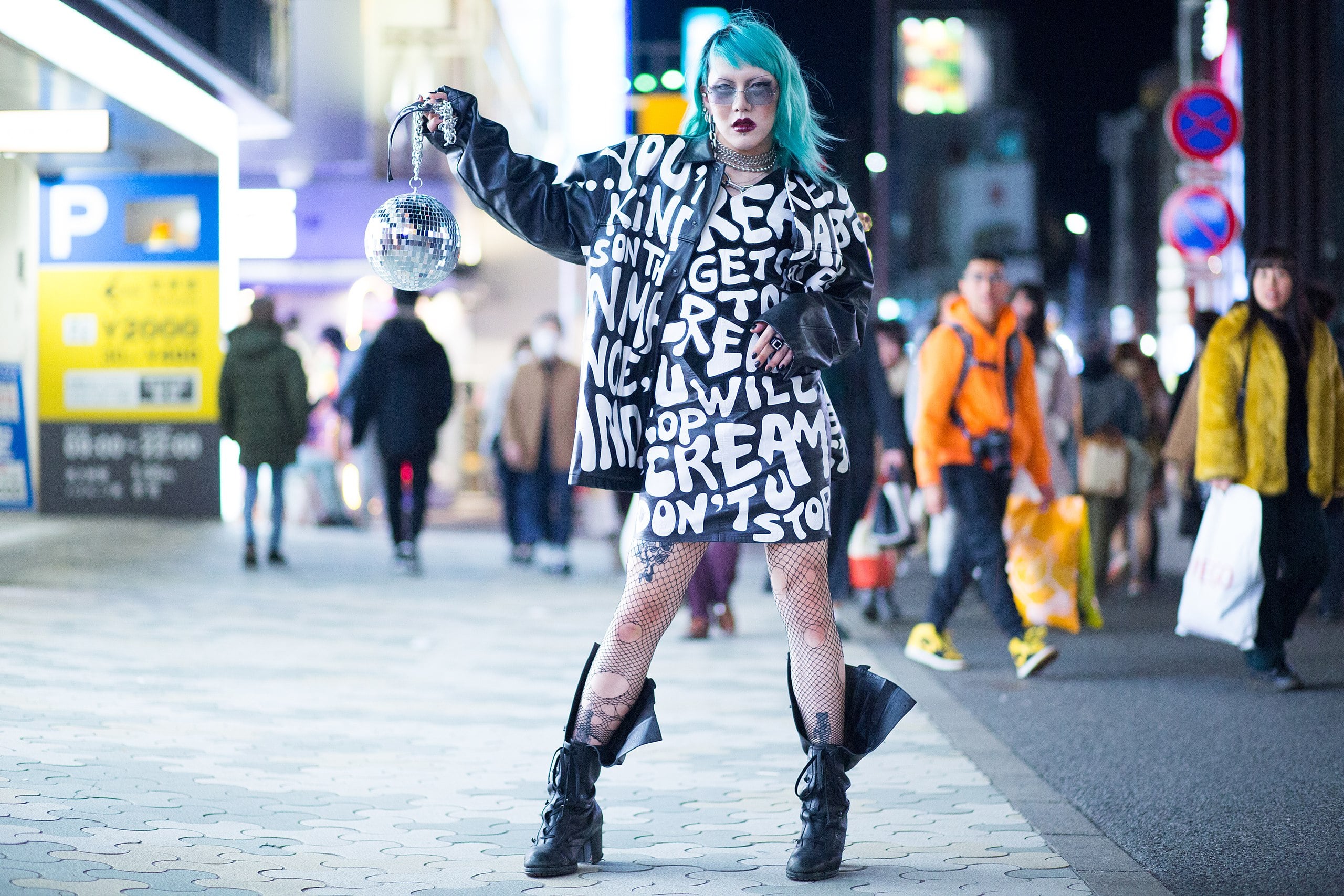
Photo: Visual Kei Street Look
(Image showing dramatic hairstyle, bold makeup, and artistic clothing.)
Future of Japan Street Fashion
The future of Japan street fashion appears promising as digital platforms continue to amplify its reach. Online communities share outfit inspirations and creative ideas globally. Emerging designers are blending sustainable materials with innovative designs, adding environmental awareness to the movement.
Technology also influences Japan street fashion, with futuristic fabrics and digital prints becoming more common. As cultural boundaries blur, this fashion style will likely continue evolving while maintaining its spirit of fearless expression.
Frequently Asked Questions (FAQs)
1. What is Japan street fashion known for?
It is known for bold creativity, layering, and diverse subcultures.
2. Where did Japan street fashion originate?
It developed in urban districts like Harajuku in Tokyo.
3. Is Japan street fashion influenced by Western styles?
Yes, it blends Western elements with Japanese cultural aesthetics.
4. Why is Japan street fashion popular worldwide?
Its originality and strong youth identity inspire global fashion trends.
5. Does Japan street fashion change frequently?
Yes, it constantly evolves while maintaining its creative spirit.
Conclusion
Japan street fashion stands as a powerful symbol of individuality, creativity, and cultural fusion. Emerging from urban districts and youth communities, it has transformed global fashion perspectives. Through bold experimentation, layered styling, and vibrant subcultures, Japan street fashion continues to challenge conventional norms.
Its influence extends beyond clothing, shaping art, music, and social identity. As new generations reinterpret classic styles, Japan street fashion will remain a dynamic force in the fashion world. Whether admired from afar or embraced personally, it represents fearless self-expression and endless creative possibilities.
Read More: Tokyo Street Fashion—A Bold Expression of Urban Identity