



Every day, people face choices about what to eat. Some opt for quick, tasty options like burgers, fries, and sugary drinks, while others prioritize balanced meals. These choices link directly to common issues like food poisoning and the long-term effects of junk food, and they even connect to broader ecological concepts such as the food web. In 2026, with busy lifestyles and easy access to processed items, awareness of these topics helps protect personal health and appreciate nature’s balance.
Food Poisoning: Causes, Symptoms, and Recovery
Food poisoning, also called foodborne illness, strikes when contaminated food or drink enters the body. Bacteria, viruses, parasites, or toxins cause it. Common culprits include Salmonella from undercooked eggs or poultry, E. coli from raw or undercooked meat, Campylobacter from raw chicken, and norovirus from unclean surfaces.
Symptoms appear within hours to days. Most people experience nausea, vomiting, diarrhea, stomach cramps, and sometimes fever. These signs show the body’s effort to expel harmful substances. Dehydration poses the biggest risk, especially for children, older adults, pregnant women, and those with weak immune systems.
In most cases, recovery happens at home within one to three days. Rest and fluid replacement prove essential. Drink clear liquids, oral rehydration solutions, or electrolyte drinks to replace lost fluids. Avoid dairy, caffeine, and fatty foods until symptoms ease. Severe cases—marked by bloody stools, high fever over 102°F, or persistent vomiting—require medical help, possibly antibiotics or hospital fluids.
Prevention starts with safe habits. Wash hands before handling food, cook meats to proper temperatures (e.g., poultry to 165°F), refrigerate leftovers quickly, and avoid cross-contamination between raw and ready-to-eat items. Clean produce thoroughly and steer clear of unpasteurized dairy.
Here are visuals showing typical symptoms of food poisoning:
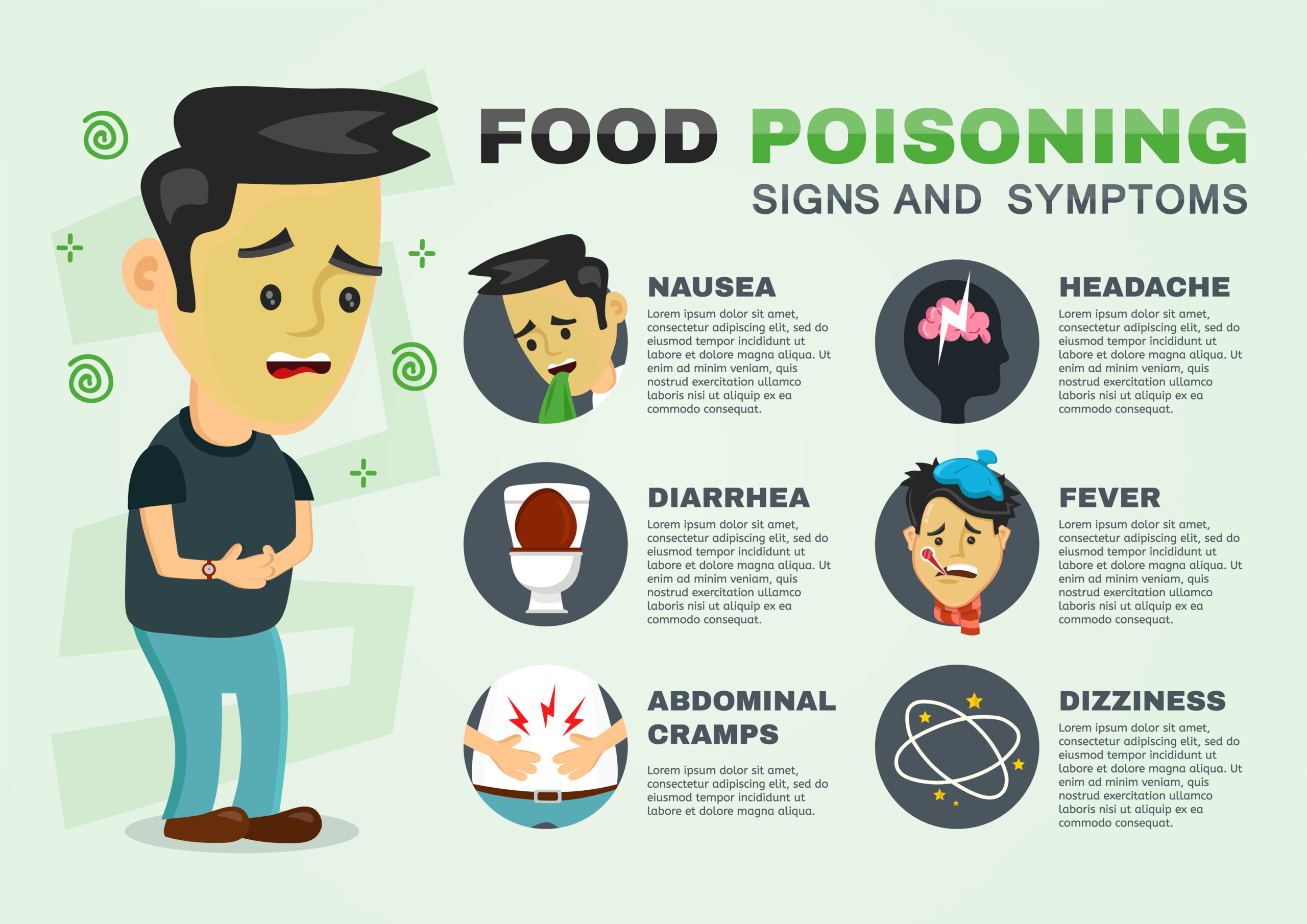
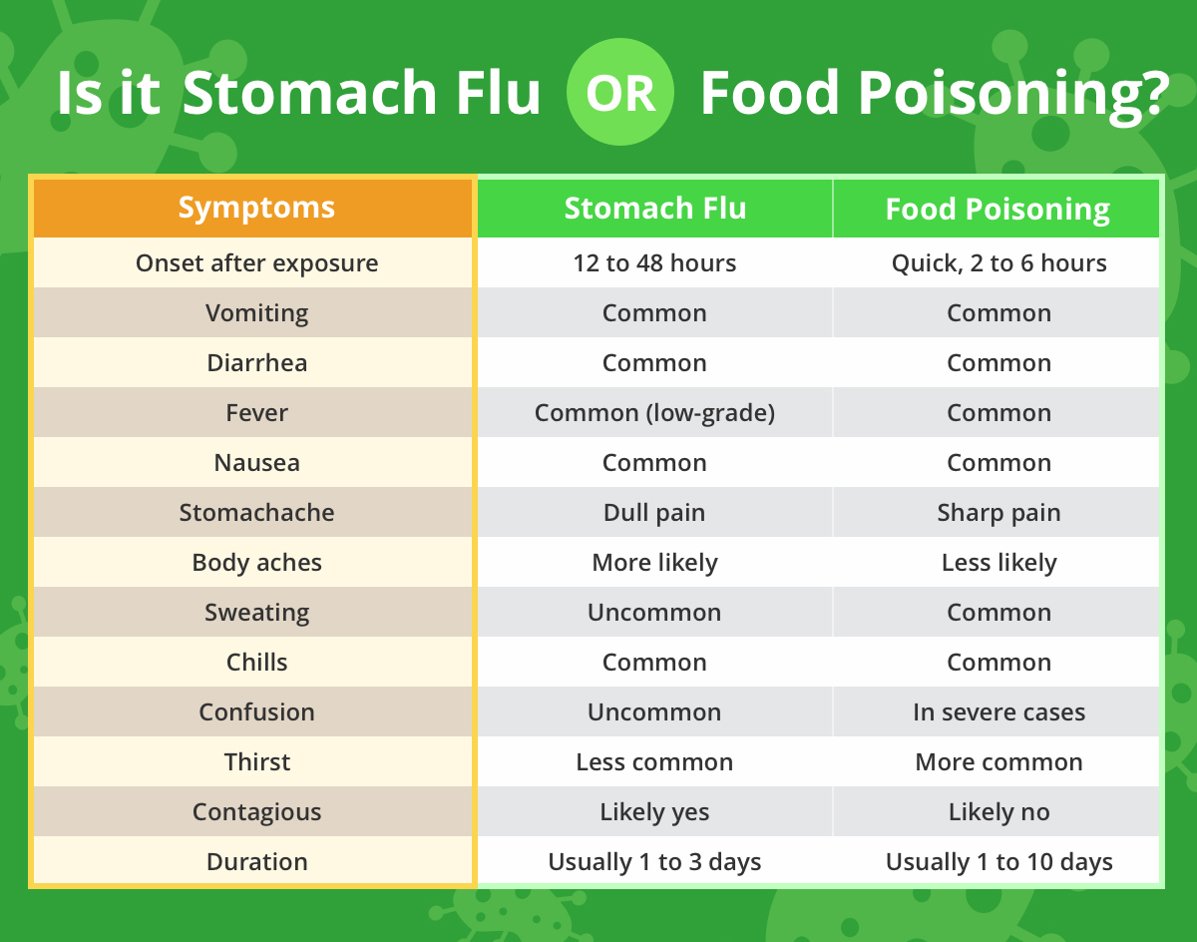
These highlight common signs like abdominal pain, vomiting, and discomfort.
Junk Food: Short-Term Appeal and Long-Term Health Risks
Junk food refers to highly processed items high in calories but low in nutrients—think burgers, fries, pizza, chips, sodas, and sweets. They taste great due to added sugar, salt, and fats, but regular consumption harms health.
Short-term effects include energy spikes followed by crashes, bloating, fatigue, and poor focus. Over time, junk food contributes to weight gain, obesity, and related issues. High saturated fats and trans fats raise bad cholesterol (LDL), increasing heart disease and stroke risks. Excessive sugar leads to insulin resistance and type 2 diabetes. Salt overload raises blood pressure.
Other concerns include tooth decay from sugars feeding mouth bacteria, digestive problems from low fiber, and even mental health impacts like higher depression risk. Junk food often displaces nutrient-rich foods, causing deficiencies in vitamins, minerals, and fiber.
Here are examples of typical junk food items:
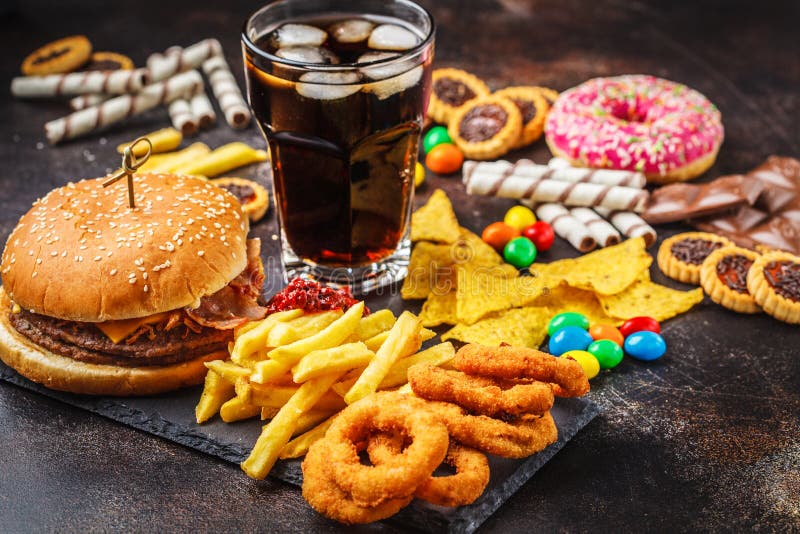

These show spreads of burgers, fries, pizza, and sugary treats that many enjoy but should limit.
Compare this to healthier choices:
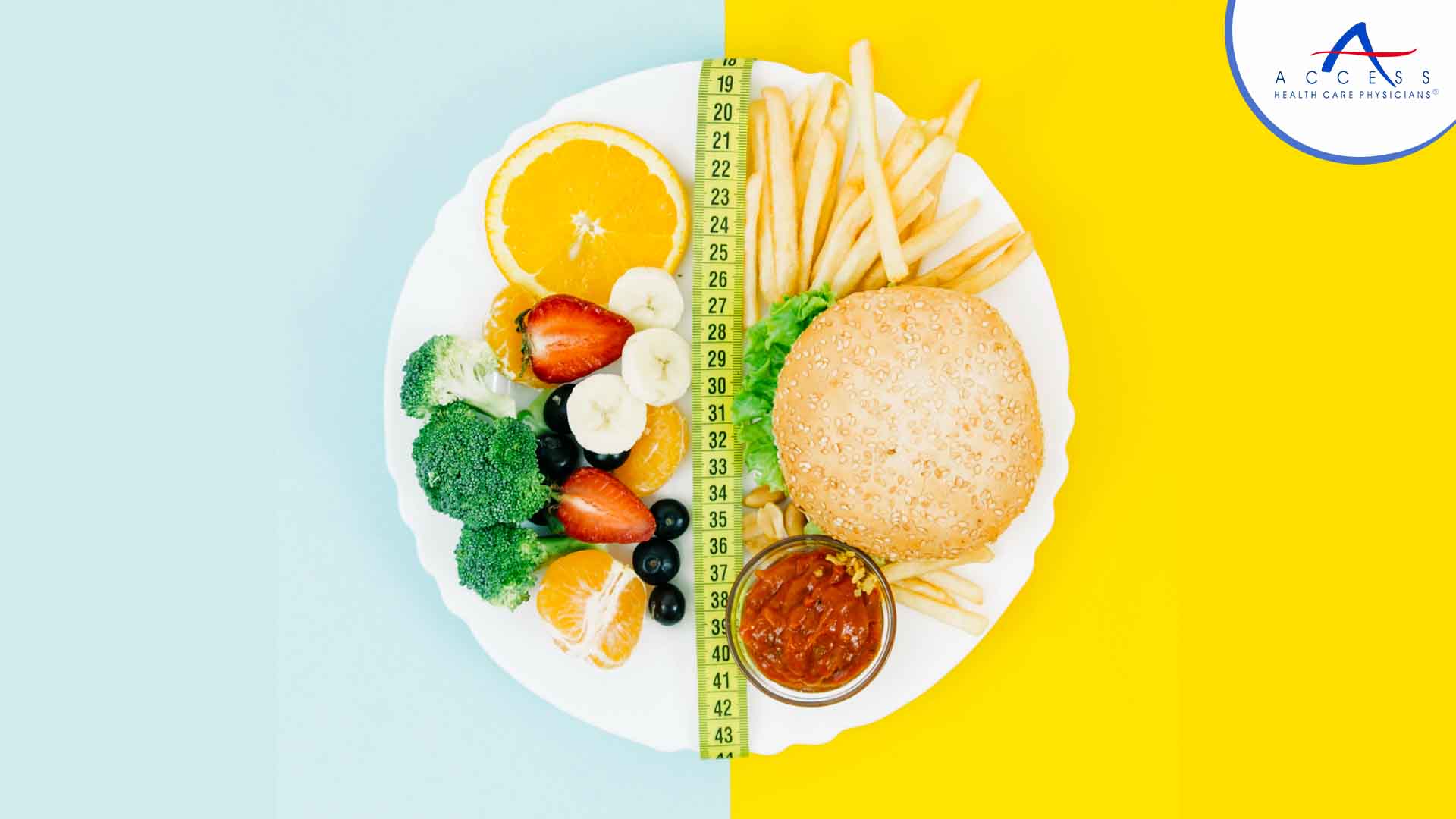
The contrast between balanced plates and junk food highlights nutritional differences.
Food Web: Nature’s Interconnected Feeding Network
In ecology, a food web shows how energy and nutrients move through an ecosystem. Unlike a simple food chain (e.g., grass → rabbit → fox), a food web reveals overlapping connections among producers, consumers, and decomposers.
Producers (plants, algae) use sunlight for energy via photosynthesis. Primary consumers (herbivores) eat them. Secondary and tertiary consumers (carnivores, omnivores) prey on others. Apex predators sit at the top, with decomposers breaking down remains to recycle nutrients.
Food webs illustrate complexity—most organisms eat multiple sources and face multiple predators. This structure maintains balance; disruptions (like species loss) ripple through the system.
Here are diagrams explaining food webs:

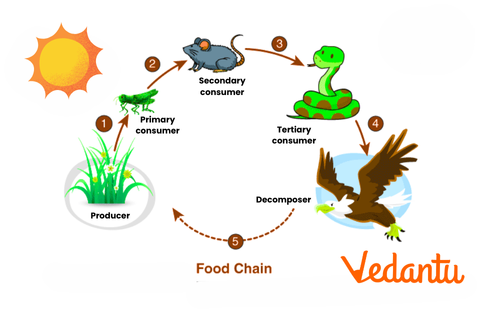
These visuals depict producers, consumers, and the flow of energy in ecosystems.
Connections Between These Topics
Junk food and food poisoning often intersect in daily life. Processed items may carry risks if mishandled, but poor preparation of any food causes most cases. Over-reliance on junk food weakens immunity through nutrient gaps, potentially worsening recovery from illnesses.
In nature, toxins sometimes travel through food webs via bioaccumulation. Harmful chemicals or natural poisons build up in predators, similar to how junk food’s excesses accumulate in the body over time.
Understanding these links encourages smarter choices. Opt for whole foods to support health, practice hygiene to avoid poisoning, and recognize nature’s delicate balance.