



Introduction
Eggs are one of the most versatile and nutritious foods found in almost every kitchen. Whether you use them for breakfast, baking, or cooking, understanding how long do eggs last in the fridge is essential for maintaining food safety and quality. Many people store eggs without knowing their actual shelf life, which can lead to waste or health risks.
Knowing proper storage methods, expiration timelines, and freshness tests helps you use eggs safely and efficiently. Eggs are rich in protein, vitamins, and minerals, but they are also perishable. Their quality depends heavily on how they are stored, handled, and refrigerated.
In this complete guide, we will explain how long do eggs last in the fridge, signs of spoilage, best storage practices, and tips to extend their shelf life. This guide also includes a table, quick snippets, and expert advice to help you store eggs properly.
How Long Do Eggs Last in the Fridge?
If you want a simple answer before diving deeper:
👉 Raw eggs in their shell typically last 3–5 weeks in the refrigerator.
👉 Hard-boiled eggs last about 1 week when refrigerated.
👉 Liquid egg products vary depending on packaging and opening date.
Understanding how long do eggs last in the fridge depends on several factors including temperature, packaging, and whether they are cooked or raw.
Quick Storage Snippet
-
Raw eggs (shell): 3–5 weeks
-
Hard-boiled eggs: 7 days
-
Egg whites/yolks: 2–4 days
-
Cooked egg dishes: 3–4 days
Proper refrigeration at 4°C (40°F) or lower is key to keeping eggs safe.
Why Refrigeration Matters for Eggs

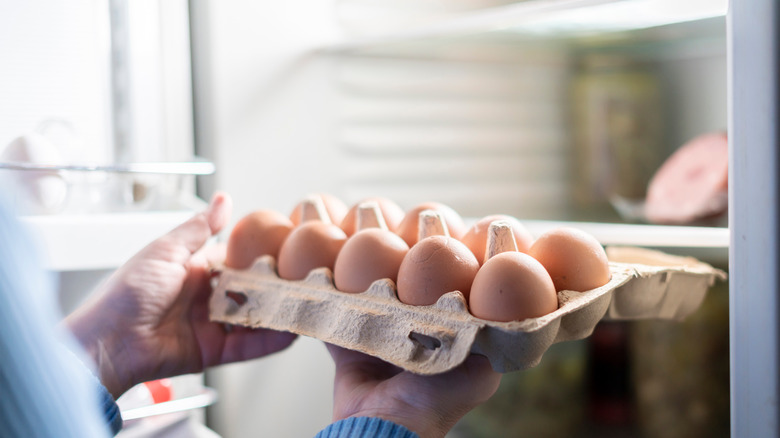
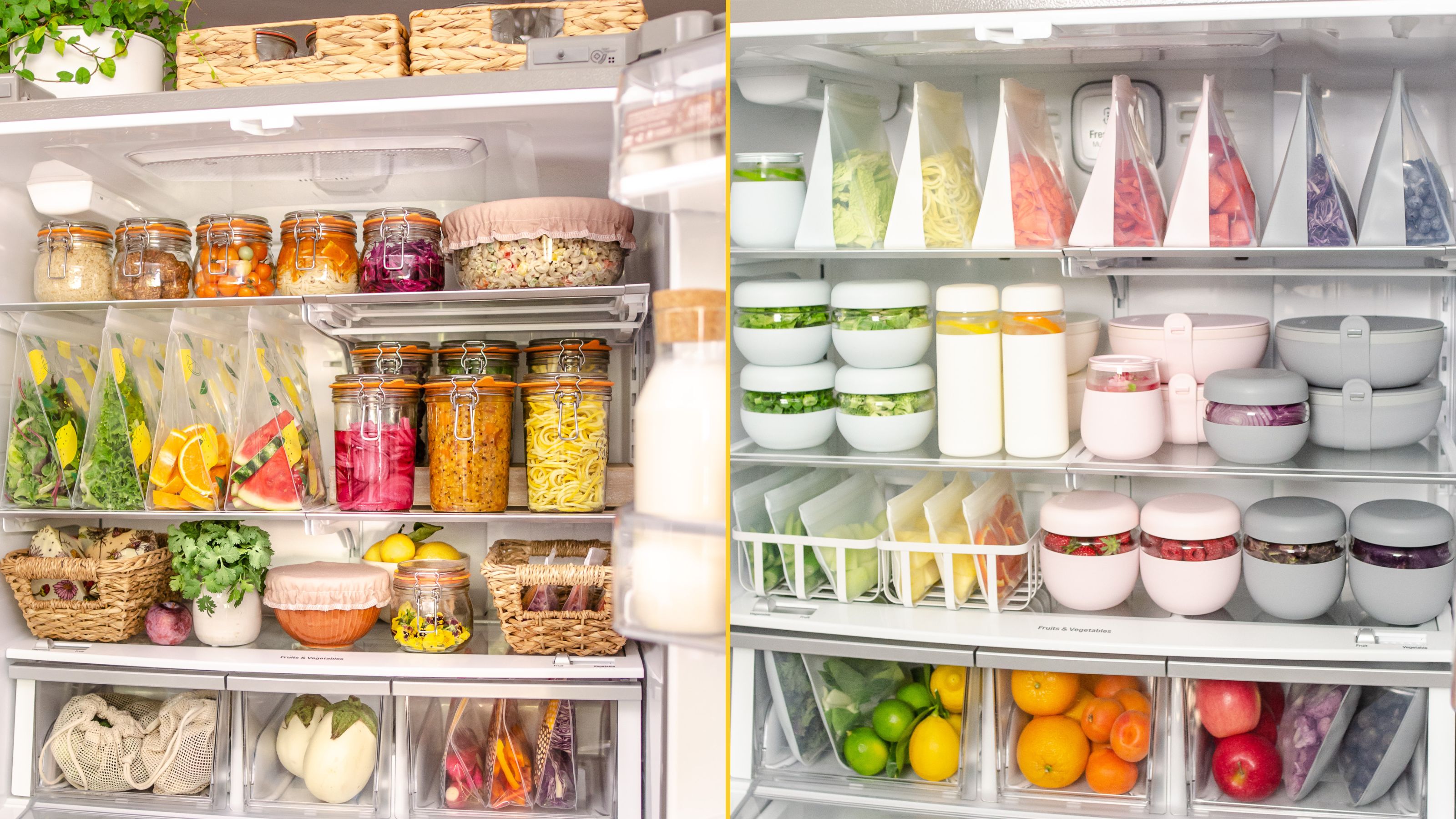
Refrigeration slows bacterial growth and prevents contamination such as salmonella. Keeping eggs at a consistent cold temperature preserves freshness, taste, and safety.
Benefits of Refrigerating Eggs
-
Prevents bacterial growth
-
Maintains freshness longer
-
Reduces food poisoning risk
-
Preserves texture and taste
-
Extends usability for cooking and baking
Without refrigeration, eggs spoil quickly and become unsafe for consumption.
Egg Shelf Life Chart (Storage Table)
Below is a helpful table explaining how long do eggs last in the fridge based on different types and conditions.
| Egg Type | Storage Location | Shelf Life | Notes |
|---|---|---|---|
| Raw eggs in shell | Refrigerator | 3–5 weeks | Keep in original carton |
| Raw egg whites | Refrigerator | 2–4 days | Store in sealed container |
| Raw egg yolks | Refrigerator | 2–4 days | Cover with water to prevent drying |
| Hard-boiled eggs | Refrigerator | 1 week | Keep peeled or unpeeled |
| Liquid pasteurized eggs | Refrigerator | 3–5 days after opening | Check package date |
| Cooked egg dishes | Refrigerator | 3–4 days | Store airtight |
This table makes it easier to understand how long do eggs last in the fridge under different conditions.
How to Tell if Eggs Are Still Fresh


1. The Float Test
Place the egg in a bowl of water.
-
Sinks and lies flat → Fresh
-
Stands upright → Still usable
-
Floats → Spoiled
2. Smell Test
A rotten egg produces a strong sulfur odor immediately after cracking.
3. Visual Inspection
Fresh eggs have thick whites and firm yolks. Runny whites may indicate aging.
Using these methods helps confirm how long do eggs last in the fridge safely.
How Storage Conditions Affect Egg Longevity
Several factors influence how long do eggs last in the fridge, including:
Temperature Stability
Eggs should be stored at consistent cold temperatures. Frequent temperature changes shorten shelf life.
Packaging
Original cartons protect eggs from moisture loss and odor absorption.
Fridge Placement
Eggs stored in the door spoil faster due to temperature fluctuations.
Egg Processing
Pasteurized or processed eggs may have different storage timelines.
Understanding these factors ensures better control over egg freshness.
Best Practices for Storing Eggs


Keep Eggs in Original Carton
Cartons prevent moisture loss and protect eggs from absorbing strong odors.
Store in Coldest Part of Fridge
Avoid placing eggs in the refrigerator door.
Avoid Washing Before Storage
Washing removes natural protective coating.
Use Airtight Containers for Cracked Eggs
Transfer cracked eggs to sealed containers immediately.
Maintain Refrigerator Temperature
Keep temperature at or below 4°C (40°F).
Following these practices helps extend how long eggs remain safe.
How Long Do Cooked Eggs Last?
Cooked eggs have different storage rules than raw eggs. Understanding how long do eggs last in the fridge after cooking helps prevent foodborne illness.
Hard-Boiled Eggs
-
Last about 1 week
-
Store in sealed container
-
Refrigerate within 2 hours of cooking
Egg-Based Dishes
-
Omelets: 3–4 days
-
Egg salad: 3–4 days
-
Quiches: 3–4 days
Cooked eggs spoil faster because their protective shell is removed.
Signs Eggs Have Gone Bad
You should never consume eggs showing these warning signs:
-
Strong unpleasant odor
-
Discoloration in whites or yolk
-
Slimy texture
-
Floating during water test
-
Cracked shell with unusual smell
Knowing these signs reinforces safe use beyond knowing how long do eggs last in the fridge.
Refrigerated vs Room Temperature Eggs
Different countries have different egg storage practices. However, in most households refrigeration is recommended.
Refrigerated Eggs
-
Longer shelf life
-
Reduced bacterial growth
-
Safer for long storage
Room Temperature Eggs
-
Shorter lifespan
-
Higher risk of contamination
-
Must be used quickly
For maximum safety, refrigeration remains the best choice.
Expert Tips to Extend Egg Shelf Life
Here are professional tips to improve egg storage:
-
Keep refrigerator clean and dry
-
Avoid storing near strong-smelling foods
-
Label eggs with purchase date
-
Use older eggs first
-
Check regularly for spoilage
These habits help optimize how long do eggs last in the fridge and reduce food waste.
Can You Freeze Eggs?
Yes, eggs can be frozen to extend shelf life beyond refrigeration.
How to Freeze Eggs
-
Crack and beat eggs
-
Store in freezer-safe containers
-
Freeze yolks with salt or sugar
-
Label with date
Frozen eggs last up to one year but should be thawed safely in the refrigerator.
Freezing provides an alternative when you cannot use eggs within the normal timeframe of how long do eggs last in the fridge.
Food Safety Guidelines for Egg Storage
Food safety experts recommend:
-
Refrigerating eggs promptly
-
Cooking eggs thoroughly
-
Avoiding raw egg consumption for vulnerable groups
-
Maintaining hygiene during handling
Understanding safety standards complements knowledge about how long do eggs last in the fridge.
Nutritional Benefits of Fresh Eggs
Fresh eggs offer many health benefits:
-
High-quality protein
-
Vitamin B12 and D
-
Healthy fats
-
Choline for brain health
-
Essential minerals
However, spoiled eggs lose quality and may cause illness, reinforcing the importance of knowing how long do eggs last in the fridge.
Frequently Asked Questions
How long do eggs last in the fridge?
Raw eggs in their shell typically last 3–5 weeks in the refrigerator when stored properly at a consistent cold temperature.
Can you eat eggs after the expiration date?
Yes, eggs may still be safe if stored correctly and pass freshness tests like the float test.
How long do hard-boiled eggs last?
Hard-boiled eggs last about one week in the refrigerator.
Should eggs be stored in the fridge door?
No, temperature fluctuations in the door reduce shelf life.
Can spoiled eggs make you sick?
Yes, consuming spoiled eggs may cause food poisoning.
Conclusion
Understanding how long do eggs last in the fridge is essential for food safety, quality, and reducing waste. Generally, raw eggs remain fresh for 3–5 weeks, while cooked eggs have shorter storage times. Proper refrigeration, correct storage methods, and freshness checks help maintain egg quality and prevent health risks.
By following best practices such as storing eggs in their original carton, keeping consistent refrigeration temperatures, and performing freshness tests, you can confidently manage egg storage in your kitchen. Whether you cook frequently or occasionally, knowing how long do eggs last in the fridge ensures safe and healthy consumption for you and your family.
Read More:- How Long Is Rice Good for in the Fridge? Complete Storage Guide